How to Make Homemade Dog Food Recipe for Healthy Dogs?
Making homemade dog food can be a fulfilling experience. Many pet owners seek ways to enhance their dogs' health. A nutritious dog food recipe can be simple yet effective.
When preparing meals for your furry friend, consider including fresh ingredients. Lean meats, vibrant vegetables, and wholesome grains can make a great combination. It's not just about mixing; balance is key. Dogs, like humans, thrive on a varied diet.
Experimenting with different dog food recipes allows you to see what your pet enjoys. However, some recipes may not work perfectly. Ingredients that are safe for one dog may upset another's stomach. It's essential to monitor your dog's reaction to new meals and adjust as needed. Creating homemade dog food can lead to a healthier, happier pet.
Understanding the Nutritional Needs of Your Dog
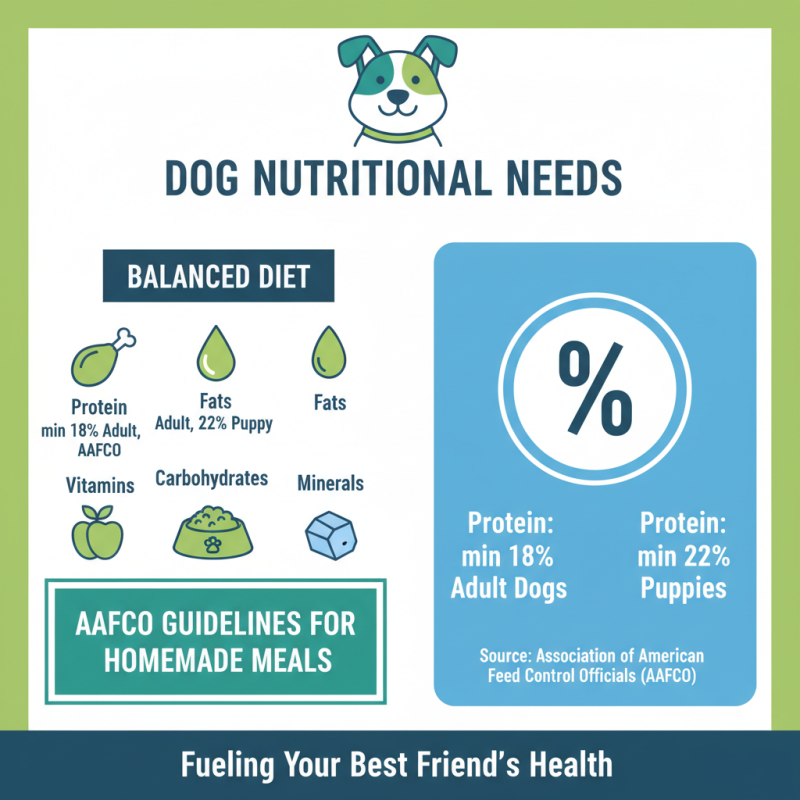
Understanding your dog’s nutritional needs is crucial for their health. Dogs require a balanced diet that includes protein, fats, carbohydrates, vitamins, and minerals. According to the Association of American Feed Control Officials (AAFCO), a dog’s diet should consist of at least 18% protein for adult dogs and 22% for puppies. These numbers can guide pet owners when creating homemade meals.
Protein sources can vary widely. Lean meats, fish, and eggs are excellent options. Fats are essential as well; they provide energy and promote healthy skin and coat. Around 8-15% fat in your dog’s diet is often recommended. Remember that not all dogs are the same. Age, weight, and health conditions matter. Some dogs may require less fat or more fiber.
Carbohydrates also play a role. Whole grains and vegetables can be good sources of energy. However, many dogs thrive on a diet low in grains. This brings us to the need for customization. One formula doesn’t fit all. Experimenting may lead to adjustments. Keep watch on your dog's health and activity levels. Regular veterinary check-ups will help refine their dietary needs.
Selecting Quality Ingredients for Homemade Dog Food
When making homemade dog food, selecting quality ingredients is crucial. Fresh, whole foods are always the best choice. Look for lean meats like chicken, turkey, or beef. These sources provide essential proteins for your dog’s muscle health. Avoid fatty cuts of meat; they can lead to health issues over time.
Vegetables are also important. Carrots, peas, and sweet potatoes are great options. They offer vitamins and minerals. However, be cautious with leafy greens. Some can be hard for dogs to digest. Not every vegetable is suitable for all dogs, so observe your dog’s reactions and adjust accordingly.
Lastly, don't forget essential fats. These can come from sources like fish oil or flaxseed. They contribute to a shiny coat and healthy skin. Remember, balance is key. Too much of any ingredient isn't beneficial. Experiment, but be mindful of your dog's unique needs. Keeping a food diary could help track what works best.
Step-by-Step Guide to Preparing Dog Food at Home
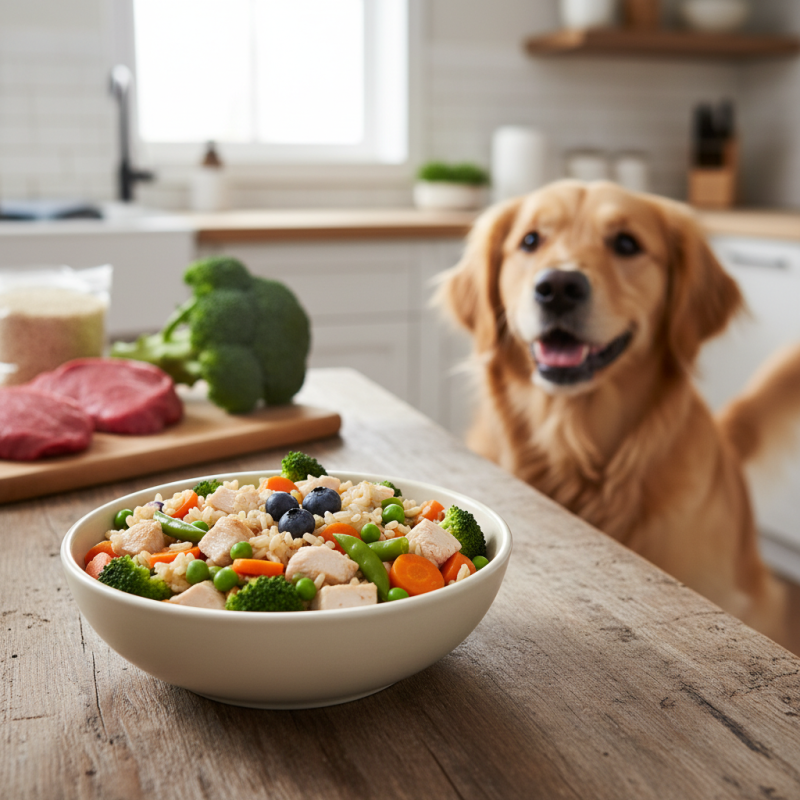
Making homemade dog food can be a rewarding task. It allows you to control the ingredients your dog consumes. Start by gathering fresh ingredients like lean meats, vegetables, and grains. Chicken, carrots, and brown rice are good choices. Remember to wash all produce thoroughly to ensure they are clean.
Next, cook the meat separately. Boil or bake it to avoid excess fat. Chop the vegetables into small pieces. You want them to be digestible for your pet. Combine all ingredients in a large bowl. The ratios should be balanced. A mix of 40% protein, 50% vegetables, and 10% carbs often works well.
It may take a few tries to get the right mix. Each dog has unique dietary needs. Adjust the ingredients based on your dog’s health. Monitor your pet's reaction post-meal. If your dog seems uninterested or not feeling well, reconsider the recipe. Homemade dog food can be nutritious, but not all recipes suit every dog.
How to Make Homemade Dog Food Recipe for Healthy Dogs?
| Ingredient |
Quantity |
Nutritional Benefits |
| Chicken (boneless) |
2 lbs |
High in protein; supports muscle maintenance |
| Brown Rice |
1 cup |
Good source of carbohydrates; energy booster |
| Carrots |
1 cup (chopped) |
Rich in vitamins; supports eye health |
| Peas |
1 cup |
High in fiber; promotes healthy digestion |
| Pumpkin |
1 cup (pureed) |
Supports digestive health; rich in vitamins |
| Fish Oil |
1 tsp |
Source of omega-3 fatty acids; helps with skin and coat health |
Common Mistakes to Avoid When Making Dog Food
When making homemade dog food, it’s easy to overlook important details. Many pet owners forget to include a balance of nutrients. Dogs need proteins, fats, and carbohydrates. A diet lacking in just one can lead to health issues. You might think that just meat is enough. However, vegetables and grains play a crucial role too.
Another common mistake is not cooking ingredients properly. Some foods can be toxic if fed raw. For example, onions and garlic can harm your dog. Always ensure that ingredients are safe and well-prepared. Measuring portions is also essential. Too much of certain nutrients can be just as harmful.
Don't rush the process. It can be tempting to whip up a quick meal. However, proper planning is key to a healthy diet. Always consider your dog's specific needs. Experimenting is fine, but be mindful of what you include. Each dog is unique, and not all recipes are suitable for every dog. Pay attention to their reactions and adjust accordingly.
Homemade Dog Food Nutritional Distribution