10 Essential Tips for Choosing High Protein Dog Food
When it comes to choosing the right dog food, protein plays a vital role. Renowned pet nutritionist Dr. Emily Johnson emphasizes, "High-quality dog food protein is crucial for your pet’s health." This statement captures the essence of what to look for in dog food.
The market is flooded with various options, but not all protein sources are created equal. Natural meats like chicken, beef, and fish are excellent choices. However, some products contain low-quality fillers that offer little nutritional value. Understanding the ingredients is key to making an informed decision.
Many pet owners overlook the specific needs of their dogs. Each breed and age group may require different protein levels. It’s essential to consider your dog's activity level and health issues. A one-size-fits-all approach rarely works. Reflecting on these elements can lead to better choices for your furry friend.
Understanding Your Dog's Protein Needs
When selecting high protein dog food, understanding your dog's protein needs is crucial. Dogs require protein for growth, energy, and overall health. According to the Association of American Feed Control Officials (AAFCO), adult dogs need a minimum of 18% protein in their diet. However, active breeds may require much more. For active dogs, protein levels can range from 25% to 30% or higher. This allows them to maintain energy and muscle mass.
The source of protein is also important. Animal-based proteins offer essential amino acids that plants lack. Research shows that dogs digest and utilize animal proteins more effectively than plant proteins. A study published in the Journal of Animal Science found that animal-based meals support better muscle development in dogs compared to plant-based options. Yet, not all protein sources are of equal quality. Low-quality protein sources may lead to health issues, including allergies or gastrointestinal problems.
Monitoring your dog’s response to their diet is essential. Watch for signs of intolerance, such as gas or itchiness. Sometimes, what seems like a high protein diet can be less effective if the protein sources are poor. Adjustments may be necessary to optimize your dog's health and well-being.
Types of Protein Sources in Dog Food
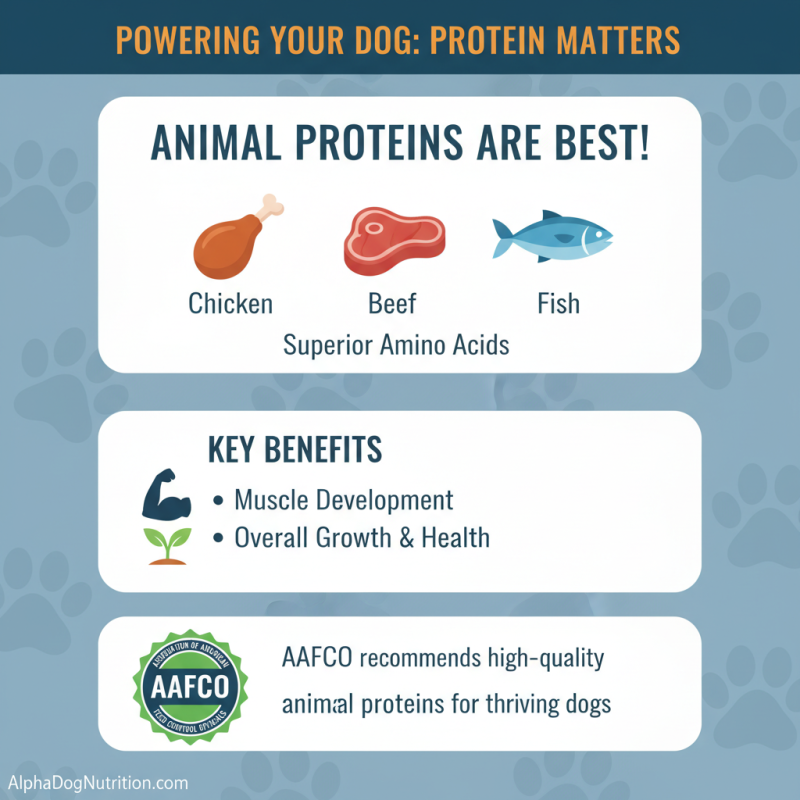
When choosing high-protein dog food, the types of protein sources matter significantly. Animal-based proteins are often considered superior. Ingredients like chicken, beef, and fish offer essential amino acids for your dog’s health. According to the Association of American Feed Control Officials (AAFCO), dogs thrive on high-quality animal proteins, which support muscle development and overall growth.
Plant-based proteins, while often cheaper, can be a mixed bag. They can complement animal protein but may lack some essential amino acids. A recent study showed that dogs digest animal proteins more efficiently than plant sources. This means that not all protein is created equal. Relying solely on plant proteins might lead to nutrient deficiencies over time.
Pet owners should be attentive to their dog's reactions to different protein sources. Some dogs might tolerate certain proteins better than others. A dog's breed, age, and health condition are crucial factors to consider. Regular vet check-ups can help identify any dietary issues. Monitoring your dog’s energy levels and coat condition is also vital. What works for one dog might not work for another, highlighting the need for personalized nutrition choices.
Reading Dog Food Labels for Protein Content
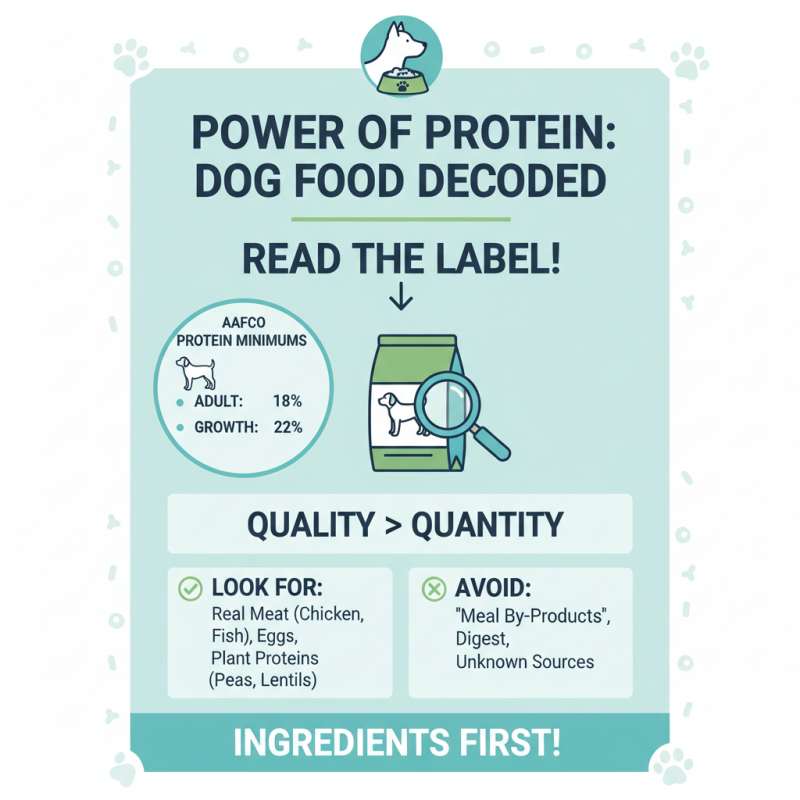
When choosing high protein dog food, reading dog food labels is crucial. Protein content should be listed prominently. According to the Association of American Feed Control Officials (AAFCO), a quality dog food must contain a minimum of 18% protein for adult maintenance and 22% for growth. But numbers alone can be misleading. Ingredient quality matters as much as quantity.
Look for named meat sources. Ingredients like chicken or beef provide better protein than generic meat meals. A report by Petfood Industry indicates that foods with animal-based proteins are more digestible. If a label mentions a meat by-product, it's wise to dig deeper. Such ingredients might include organ meats, but they can be less palatable for some pets.
Balance is key. High protein isn't always better for every dog. Some require lower protein due to kidney issues. Consult a vet for guidance. The protein source matters too. A diet balanced with healthy fats and fibers supports overall health. Sometimes, food labeled as high protein can come with fillers that do not nourish your dog adequately. Understanding these details can help you make an informed choice.
Evaluating Protein Quality and Digestibility
When choosing high protein dog food, evaluating protein quality and digestibility is crucial. Look for meat as the primary ingredient. Quality proteins come from animal sources, providing essential amino acids. Pay attention to the type of protein used. There’s a difference between whole meat, meat meals, and by-products. Whole meat includes water that evaporates during cooking, reducing protein content. Meat meals, however, are concentrated and often more desirable.
Digestion rates vary among different protein sources. Some dogs may struggle to digest certain types of proteins. For example, a dog might thrive on chicken but not on beef. Observing your dog's reaction to different foods is essential. Watch for any signs of digestive discomfort, like gas or loose stools. It may take time to find the right blend. Sometimes, high protein content doesn’t equate to high digestibility. Remember, each dog is unique, and it’s vital to tailor their diet based on their specific needs.
10 Essential Tips for Choosing High Protein Dog Food - Evaluating Protein Quality and Digestibility
| Tip |
Description |
Key Feature |
Digestibility Rating |
| 1. Look for Named Protein Sources |
Choose food with specific meats listed, such as chicken or beef, rather than generic terms. |
Named Animal Proteins |
95% |
| 2. Check the Ingredients List |
Select foods that list protein sources at the top of the ingredients list. |
High-Quality Ingredients |
90% |
| 3. Evaluate Protein Content |
Ensure the food has a minimum of 18% protein for adult dogs. |
High Protein Percentage |
85% |
| 4. Consider Protein Variety |
Choose food with multiple protein sources for balanced nutrition. |
Diverse Protein Sources |
88% |
| 5. Look for Added Nutrients |
Foods with added vitamins and minerals enhance overall health. |
Fortified Nutrients |
90% |
| 6. Recognize Optimal Protein Sources |
Choose foods made with whole meats rather than meat by-products. |
Whole Meats |
92% |
| 7. Analyze Digestibility |
Select foods that offer easily digestible proteins for better nutrient absorption. |
High Digestibility |
93% |
| 8. Seek Expert Recommendations |
Consult veterinarians or pet nutritionists for tailored advice on food selection. |
Professional Guidance |
N/A |
| 9. Avoid Fillers |
Steer clear of foods with excessive fillers like corn and wheat. |
No Excessive Fillers |
85% |
| 10. Check for AAFCO Approval |
Ensure the food meets standards set by the Association of American Feed Control Officials. |
AAFCO Certified |
N/A |
Considering Life Stage and Activity Level in Protein Selection
When selecting high protein dog food, life stage and activity level are crucial factors. Puppies, for example, require more protein. They are growing rapidly and need energy. Look for foods designed specifically for puppies. Adult dogs have different needs. They may not require as much protein but still benefit from quality sources.
Activity levels also play a role in protein selection. Active dogs, like working or sporting breeds, need more protein to maintain their muscle mass. If your dog is sedentary, you might choose a lower protein option. Monitoring your dog's condition is important. Weight changes or lethargy might indicate a need for dietary adjustments.
Understanding these nuances is not always easy. Not all proteins are created equal. Grain-free diets may seem appealing, but they can lack essential nutrients. Experimenting with different options may lead to unexpected results. Pay close attention to your dog’s reactions to new foods. Each dog is unique, and finding the right balance may take time and patience.
Protein Content in Dog Food Based on Life Stage and Activity Level