How to Choose the Best Puppy Food for Your New Puppy?
Choosing the best puppy food for your new furry friend is crucial. The right nutrition lays the foundation for a healthy life. Puppies have unique dietary needs. Their growth and energy levels demand high-quality ingredients.
When selecting puppy food, consider the age, breed, and weight of your puppy. Different brands offer various formulations. Some may contain preservatives that aren’t ideal. Look for whole food ingredients, such as real meat and vegetables. These choices support their development and well-being.
Don’t forget to pay attention to portion sizes. Overfeeding can lead to obesity, while underfeeding may stunt growth. Finding the right balance takes time and patience. Reflect on your puppy's reactions to the food, too. Some may thrive on certain formulas, while others might face issues. Always be prepared to adjust based on what works best for your new companion.
Understanding Puppy Nutritional Needs
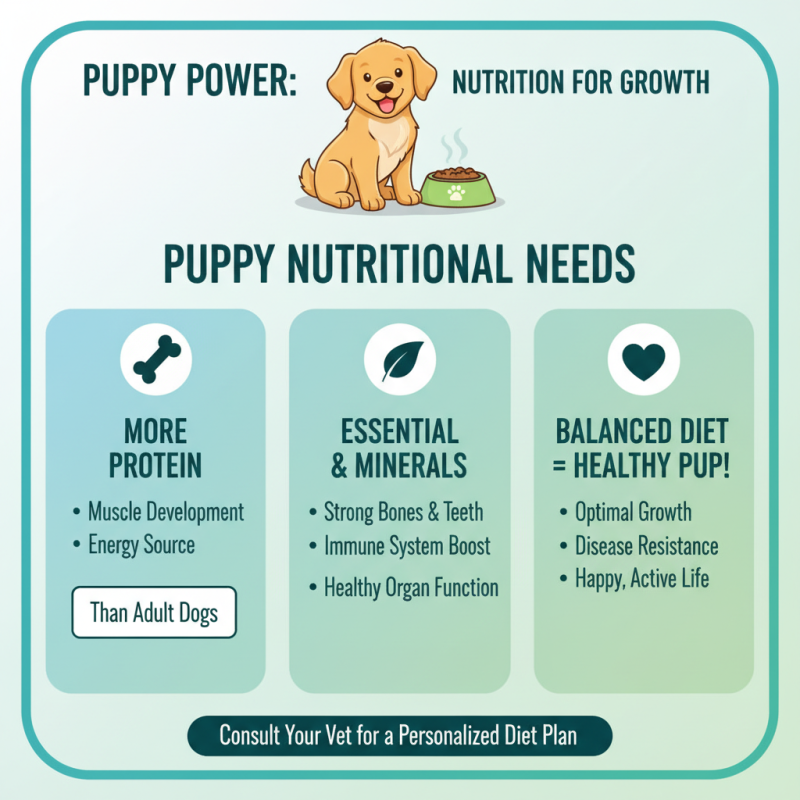
Understanding a puppy’s nutritional needs is crucial for their growth and development. Puppies require more protein, vitamins, and minerals than adult dogs. This supports their growing muscles and bones. The right balance of nutrients helps them develop properly. A well-rounded diet promotes a healthy immune system, which is essential for puppies.
When selecting puppy food, look for high-quality ingredients. The first few ingredients should ideally be protein sources. This ensures that your puppy gets enough energy for their playful nature. However, finding the right food can be challenging. Some puppies may have food sensitivities, leading to digestive issues. In these cases, careful monitoring of their response to different foods is necessary.
Consulting with a veterinarian is beneficial. They can help identify specific needs based on your puppy’s breed and activity level. Remember, not all puppies thrive on the same diet. Adjusting portions and food types may take time. It’s a process that can involve trial and error. Understanding your puppy’s unique nutritional needs will help you make informed choices in the long run.
Types of Puppy Food: Dry, Wet, and Raw Options
Choosing the right puppy food can be overwhelming. Dry, wet, and raw options each have unique benefits and drawbacks. Dry food, often known as kibble, is convenient and helps keep teeth clean. Industry reports indicate that 70% of pet owners prefer this option for its shelf stability.
Wet food has more moisture and can be easier for young puppies to chew. This could be useful for puppies transitioning from nursing. However, it’s usually more expensive and less effective for dental health. A significant percentage of veterinarians recommend wet food as a supplement. Yet, it’s essential to monitor calorie intake, as some can be calorie-dense.
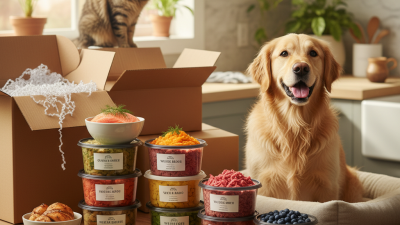
Raw food diets are gaining popularity, often touted for their perceived natural benefits. Yet, this approach can be risky if not properly managed. Specific nutrients may be lacking, and there’s a risk of bacterial contamination. Owners should consult with a vet before switching to this type of diet. Despite its growing trend, the lack of comprehensive research on raw diets raises concerns for many pet owners.
How to Choose the Best Puppy Food for Your New Puppy? - Types of Puppy Food: Dry, Wet, and Raw Options
| Type of Puppy Food |
Pros |
Cons |
Recommended For |
| Dry Food (Kibble) |
Convenient, helps dental health, longer shelf life |
Less moisture, may not be appealing to picky eaters |
Active puppies needing a balanced diet |
| Wet Food (Canned) |
High moisture content, appetizing, easy to digest |
Shorter shelf life, can be more expensive |
Puppies needing hydration or with dental issues |
| Raw Food (BARF) |
Natural nutrition, fresh ingredients, improves coat health |
Preparation time, risk of bacteria, may require supplements |
Owners looking for a natural feeding approach |
Choosing Ingredients: What to Look For and What to Avoid
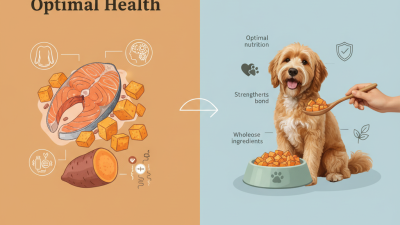
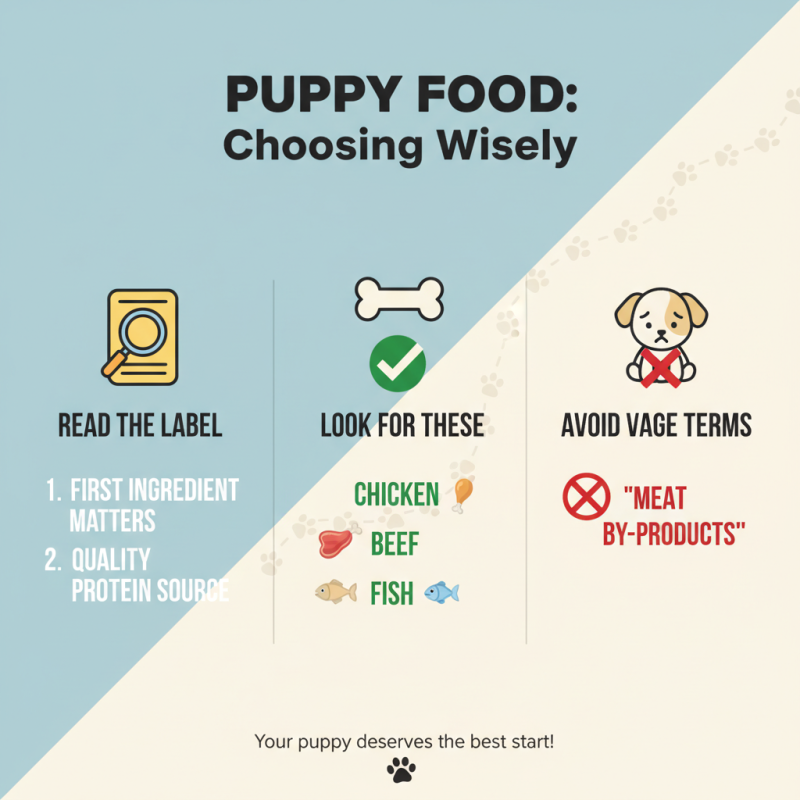
When selecting puppy food, focus on the ingredients. High-quality proteins should be the first item listed. Look for real meat, fish, or poultry as primary sources. Avoid formulas that list unnamed meat meals or by-products. These can be lower in nutritional value. Instead, look for identifiable ingredients that you recognize.
Carbohydrates are vital too. Brown rice, oats, or sweet potatoes can provide energy. However, steer clear of fillers like corn or soy. These ingredients often offer little nutrition. They can cause allergies in some puppies. Pay attention to the fat content as well. Healthy fats, such as fish oil, can support brain development. But, excessive fat can lead to obesity.
Don’t forget about added vitamins and minerals. They are essential for growth. However, some formulas may overdo it on synthetic additives. A natural balance is what you want. It’s also worth reflecting on how your puppy reacts to the food. You may notice changes in energy or coat condition. These observations can guide future choices. Consider keeping a food diary to track your puppy's progress.
Nutrition Breakdown of Puppy Food Ingredients
Transitioning Your Puppy to New Food: Best Practices
Transitioning your puppy to a new food requires care and patience. Start by mixing a small amount of the new food with their current food. This blend should be around 25% new food and 75% old food. Gradually increase the new food ratio over several days. Monitor your puppy's reaction. Look for signs of an upset stomach or changes in energy.
Puppies have sensitive stomachs. If your puppy shows discomfort, slow down the transition. Issues may arise if you switch too quickly. It can lead to diarrhea or vomiting. Be flexible in your approach and willing to adjust the ratios based on your puppy's needs.
Create a feeding schedule. Regular meal times help your puppy adapt to the new food. Stick to a consistent routine. This aids in digestion and sets expectations. However, be prepared for some mess along the way. Puppies can be unpredictable when it comes to food. It's a learning journey for both you and your puppy. Don't worry if things aren't perfect. Each puppy is unique, and some may take longer to adjust.