How to Choose the Best Purina Dog Food for Your Pet?
Choosing the right dog food is more than just a decision; it's a commitment to your pet's health. As Dr. Lisa Freeman, a leading veterinary nutritionist, advises, "Quality ingredients in dog food can significantly affect your pet's overall well-being." This quote speaks volumes about the importance of selecting the best Purina dog food for your furry friend.
Purina dog food offers a wide range of products tailored to different needs. However, not all options suit every dog. Understanding your pet’s specific dietary requirements is crucial. Factors like age, breed, and health conditions play a vital role in this choice. For instance, puppy formulas differ greatly from those aimed at senior dogs.
Visiting pet stores or consulting with veterinarians can be useful. However, you must also do your own research. Online reviews can provide insights into what other dog owners are experiencing. Relying solely on one source might lead to misinformed decisions. Trust your instincts and prioritize what works best for your dog. The right Purina dog food can enhance your pet's health, happiness, and longevity.

Understanding Your Dog's Nutritional Needs
Understanding your dog's nutritional needs is crucial when selecting the right dog food. Dogs require a balanced diet, including proteins, carbohydrates, fats, vitamins, and minerals. According to the Association of American Feed Control Officials (AAFCO), a dog’s diet must contain at least 18% protein for adult maintenance and 22% for growth. These percentages can vary based on the dog's size, age, and activity level.
Many pet owners overlook the importance of specific dietary requirements. For example, large breeds may need a diet lower in fat to prevent obesity, while active dogs require more protein for energy. Recent studies show that up to 30% of dogs are overweight, which can lead to serious health issues. Monitoring your dog's weight and adjusting their food accordingly is vital.
Additionally, it is essential to consider any food sensitivities or allergies your dog may have. This can impact their digestion and overall wellbeing. Anecdotal evidence suggests that many dogs respond poorly to grains or artificial additives. Paying attention to your dog’s reactions can help identify optimal food choices. Always consult with a veterinarian to tailor the best nutritional plan for your dog.
How to Choose the Best Dog Food for Your Pet? - Understanding Your Dog's Nutritional Needs
| Nutritional Component |
Importance |
Recommended Daily Intake |
Sources |
| Protein |
Supports muscle development and overall health |
18%-25% of total diet |
Chicken, beef, fish |
| Fats |
Provides energy and aids in nutrient absorption |
8%-15% of total diet |
Fish oil, chicken fat, vegetable oils |
| Carbohydrates |
Provides energy and aids digestion |
30%-50% of total diet |
Brown rice, sweet potatoes, peas |
| Vitamins & Minerals |
Essential for various bodily functions |
Varies by nutrient |
Fruits, vegetables, supplements |
| Water |
Vital for hydration and bodily functions |
Always available |
Freshwater |
Exploring Purina's Different Dog Food Lines
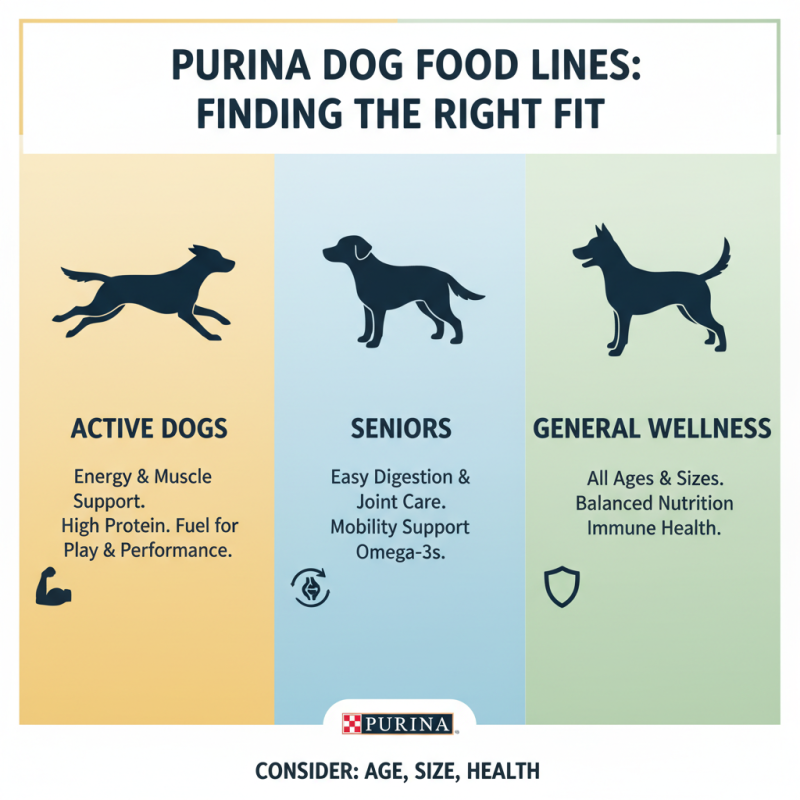
When considering different dog food lines, it's essential to evaluate the specific needs of your dog. Factors like age, size, and health play a significant role. Some options focus on active dogs, providing energy and muscle support. Others cater to seniors, emphasizing easy digestion and joint care.
Purina offers various formulas, including grain-free and high-protein recipes. These lines often target specific dietary sensitivities or preferences. Reading labels can feel overwhelming at times, but understanding nutritional content is vital. Ingredients like real meat or whole grains can promote better health for your pet.
Not every dog responds equally to each type of food. Some pets may thrive on one formula while others may not. It's crucial to monitor your dog's response and consult with a vet when necessary. Experimenting with different lines might be helpful but require patience. Balancing quality and your pet's needs should always be your priority.
Evaluating Ingredients in Purina Dog Food
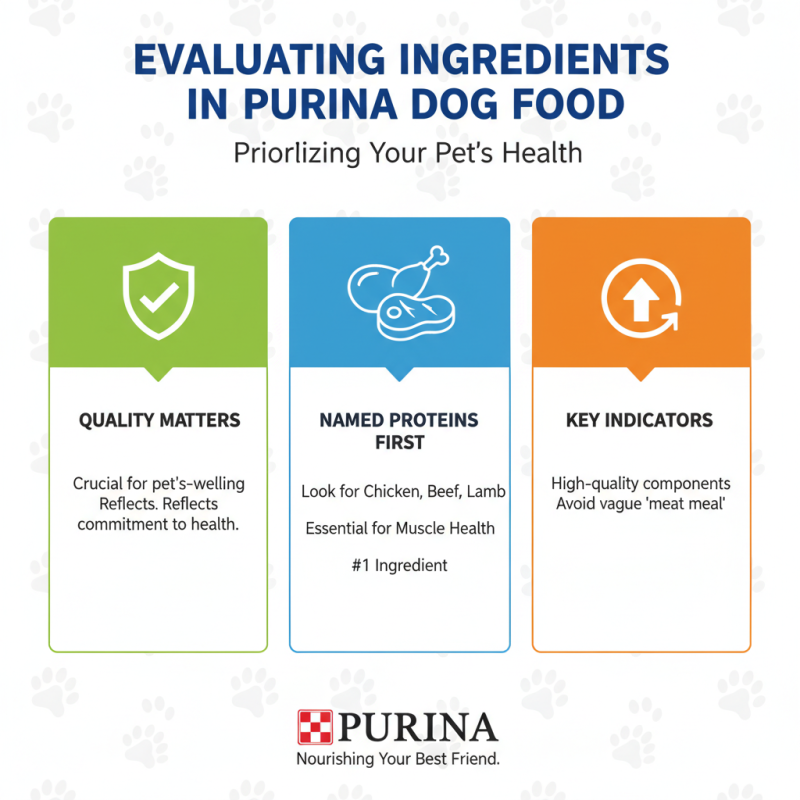
When choosing dog food, evaluating ingredients is crucial. High-quality ingredients show a commitment to your pet's health. Look for named proteins like chicken or beef. Proteins are essential for muscle health. They should be the first ingredient listed.
Moreover, avoid foods with vague terms like “meat by-products.” These can contain low-quality proteins. A study by the Association of American Feed Control Officials (AAFCO) suggests that pet food companies should provide a clear protein source. This transparency helps owners make informed choices.
Another critical aspect is the inclusion of whole grains. These provide carbohydrates for energy. However, some dogs may have grain sensitivities. It's essential to know your dog's needs. For instance, a recent veterinary report highlighted the growing popularity of grain-free diets, but this isn't suitable for every pet. Balancing ingredients based on individual needs is vital. Always consult with a veterinarian for tailored advice. They can offer insights into your dog's specific dietary needs.
Considering Your Dog's Age, Size, and Activity Level
When choosing dog food, age matters. Puppies need a diet rich in nutrients for growth. They require more protein and fat than adult dogs. Feeding them the right food supports their overall development. Older dogs, on the other hand, may benefit from a formula that focuses on joint health and easier digestion. Their nutritional needs shift as they age.
Size is another important factor. Small breeds often need energy-dense food. This helps them maintain their weight and provides the right fuel. Larger breeds may require food that helps prevent joint issues. Their caloric needs are different, so choose accordingly.
Activity level also plays a role in dietary needs. Active dogs require more calories and protein. They benefit from meals that support stamina and recovery. Less active dogs need portion control to avoid weight gain. Adjust food types based on their energy levels and overall health. Reviewing your pet's unique traits will guide you to smarter choices.
Reading and Interpreting Purina Dog Food Labels
Choosing the right dog food can be challenging. Understanding labels is a crucial first step. Ingredients are listed by weight, so look for high-quality proteins as the primary items. A report by the Pet Food Institute states that premium brands often include real meat, vegetables, and grains. This can significantly enhance your pet's health.
When reviewing a label, check the guaranteed analysis section. This indicates nutrient levels, including crude protein and fat content. Most dogs require at least 18% protein and 5% fat in their diet, but needs can vary by age, size, and activity level. Always consult a veterinarian for tailored advice.
Tips:
- Compare different brands for consistency in ingredients.
- Avoid foods with vague terms like "meat by-products" or "animal meal."
- Consider your dog's specific health needs, as allergies can arise. Monitoring your dog's response to food changes is key. Not every ingredient is suitable for every dog. Read the labels carefully and reflect on any changes in your dog's energy levels or coat condition.
Comparison of Key Nutritional Components in Dog Food