How to Choose the Best Puppy Food for Your New Pet?
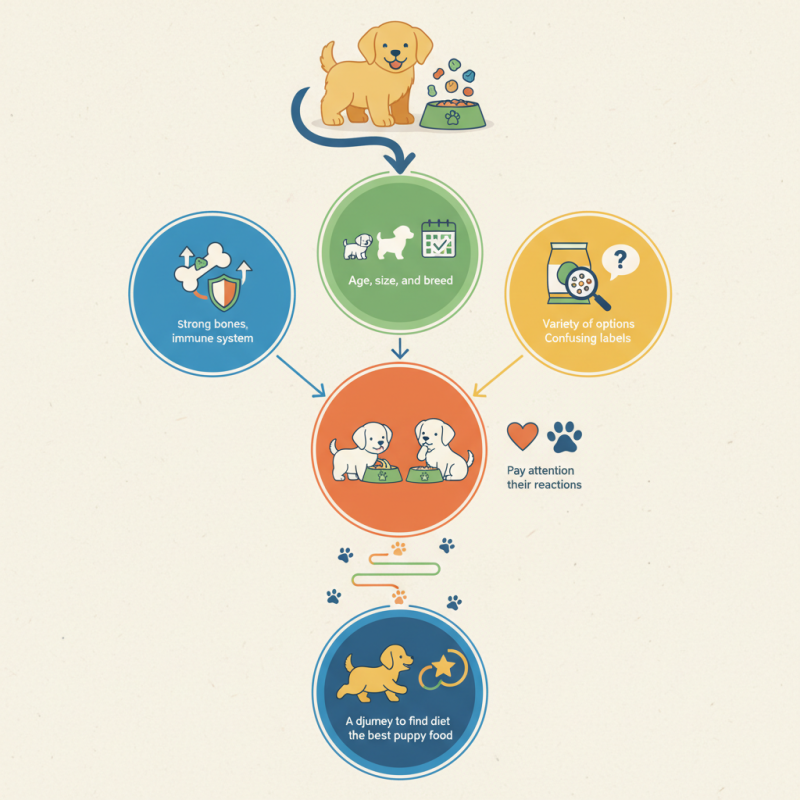
Choosing the right puppy food is crucial for your new pet's health. Puppies are in a rapid growth phase, needing specific nutrients. Selecting quality food ensures they develop strong bones and a healthy immune system. However, the variety of options can be overwhelming.
Consider factors like age, size, and breed when choosing puppy food. Labels can be confusing, filled with terms that promise the best. Not all brands are created equal. Some might prioritize profit over nutrition. Reading reviews helps, but personal experience with your puppy matters.
Every puppy has unique needs and preferences. A food that works for one may not suit another. Don't hesitate to adjust their diet as they grow. Pay attention to their reactions and well-being. Reflect on your choices regularly. It’s a journey to find the best puppy food for your furry friend.
Understanding the Nutritional Needs of Puppies
Understanding the nutritional needs of puppies is essential for their growth and health. Puppies require a balanced diet rich in proteins, fats, and essential vitamins. Their bodies grow rapidly, and they need energy to support this development. A good puppy food should contain high-quality ingredients. Look for animal-based proteins as the main component. This helps in building strong muscles.
Puppies also need healthy fats for brain development and energy. Omega-3 and omega-6 fatty acids are crucial. However, many pet owners may overlook the importance of fiber. High-fiber foods support digestion, important for puppies exploring new foods.
Addressing specific needs is vital. Some puppies may have allergies or sensitivities to certain ingredients. Observing your puppy's reaction can provide insight. It's also important to adjust the food as they grow. What works for a small puppy may not suit them later. Regularly reassessing their dietary needs ensures they remain healthy and happy.
Understanding the Nutritional Needs of Puppies
Types of Puppy Food: Dry, Wet, and Raw Options
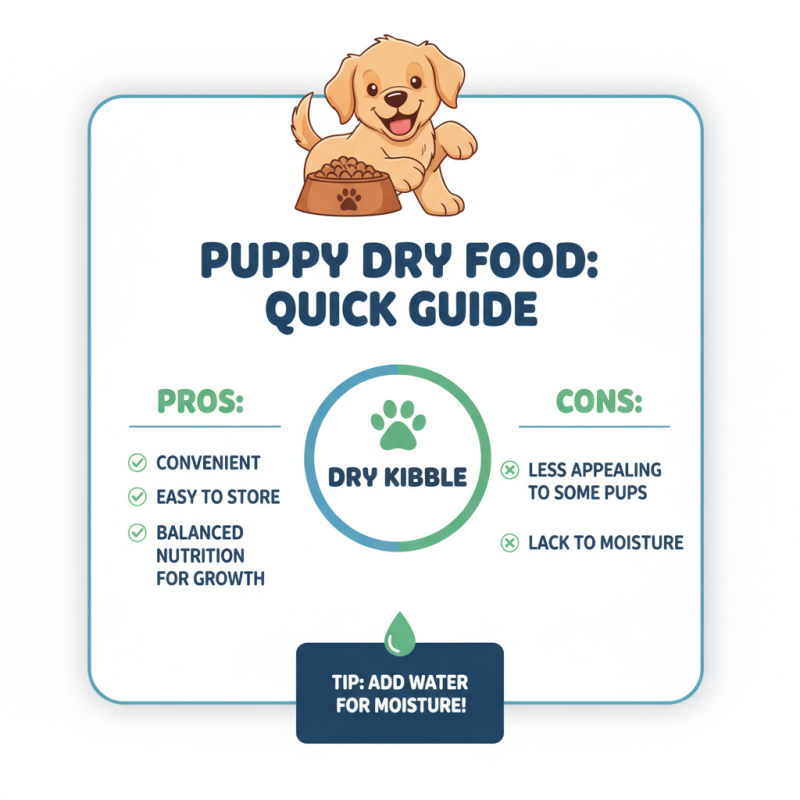
When choosing puppy food, understanding the types available is crucial. Dry food is a popular choice. It is convenient and easy to store. Most dry kibble is designed to meet the specific nutritional needs of growing puppies. However, some puppies may find it less appealing. A lack of moisture can deter some young pups from eating.
Wet food is another option. It often has a stronger aroma and taste. This can entice picky eaters or newly weaned puppies. The added moisture helps with hydration. Yet, wet food can spoil quickly, requiring careful storage. It also tends to be more expensive. If not used within a reasonable time, it may go to waste.
Raw food diets have gained popularity. They consist of raw meat, bones, and organs. Some owners swear by these for health benefits. However, raw food can be controversial. It requires strict hygiene and preparation. There is a risk of bacterial contamination. Balancing these types based on your puppy’s needs is key. Each option has advantages and drawbacks. Regularly assessing your puppy’s reaction to the food is essential.
Key Ingredients to Look for in Puppy Food
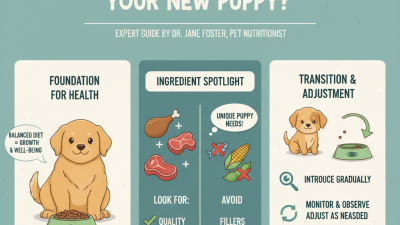
Choosing the right puppy food is crucial for your pet's growth and health. Look for ingredients that promote development. High-quality protein sources should be the first on the list. These help in building strong muscles. Proteins from real meat are preferable.
Healthy fats also play a key role. Omega fatty acids improve your puppy's coat and skin. Some studies show that puppies with omega-rich diets tend to have better overall health outcomes. This is worth considering. You may find that a balanced diet leads to fewer vet visits.
Fiber is another important factor. It aids digestion and ensures nutrients are absorbed. Puppies need a special balance that keeps their stomachs happy. Beware of fillers that offer little nutrition. They can be tempting but are not beneficial.
Tips: Check for real meats as the first ingredient. Avoid by-products and fillers. Read labels carefully to ensure quality. Nutrition is vital for your puppy's happiness. Focusing on these key ingredients is a step towards a healthier puppy.
How to Read and Interpret Puppy Food Labels
When selecting puppy food, reading the label is crucial. Ingredients are listed in order. Pay attention to the first few items. These dominate the formula. Look for high-quality proteins like meat. Carbohydrates such as grains or vegetables should come next. Avoid foods with vague terms like "meat meal" or "by-products." These can be less nutritious.
Look for official certifications. AAFCO is a standard in pet food. It ensures the food meets specific nutritional guidelines. Different life stages require different nutrients. Puppies need energy-dense food to grow. Don't forget to check guaranteed analysis. This shows the minimum or maximum nutrients in the food.
Sometimes, the more premium the packaging, the less clear the information. Brands may use fancy marketing terms. Don't get swayed by pretty pictures. Simple, clear labels often indicate good quality. Remember, feeding your puppy a balanced diet is essential for their development. If unsure, consult a veterinarian. They can help with tailored advice.
Transitioning Your Puppy to a New Diet
Transitioning your puppy to a new diet can be challenging. Puppies are sensitive creatures. Any sudden change can upset their stomachs. Start by mixing a small amount of the new food with the old. Gradually increase the new food over several days. This helps their digestive system adjust.
Watch for signs of discomfort. If your puppy experiences diarrhea or vomiting, slow down the transition. It may take longer to switch foods. Every puppy is unique, and some may need more time than others. Pay close attention to how they react. They may eat less or show reluctance. That’s okay. Patience is key here.
Keep the feeding schedule consistent. Regular meal times help puppies feel secure. Provide fresh water at all times. If problems persist, it’s wise to consult a veterinarian. They can guide you in making the right choices. Always trust your instincts as a pet owner. Your puppy's health and happiness depend on you.
How to Choose the Best Puppy Food for Your New Pet? - Transitioning Your Puppy to a New Diet
| Nutrient |
Importance |
Sources |
Recommended Daily Amount |
| Protein |
Supports muscle development |
Meat, fish, egg |
22 - 32 g per 1 kg of body weight |
| Fat |
Provides energy and supports skin health |
Fish oil, chicken fat |
8 - 20% of total diet |
| Carbohydrates |
Source of energy |
Rice, oats, sweet potatoes |
30 - 50% of total diet |
| Vitamins |
Supports overall health |
Vegetables, fruits |
Varies by vitamin, generally as per pet food label |
| Minerals |
Essential for bone health |
Meat, dairy, greens |
Varies, usually follows pet food guidelines |