How to Choose the Best Pet Food for Your Dog or Cat?
Choosing the right pet food for your dog or cat can feel overwhelming. With countless brands and varieties available, how do you make the best choice? Pet food is vital for your pet's health and happiness. It influences their growth, energy levels, and overall well-being.
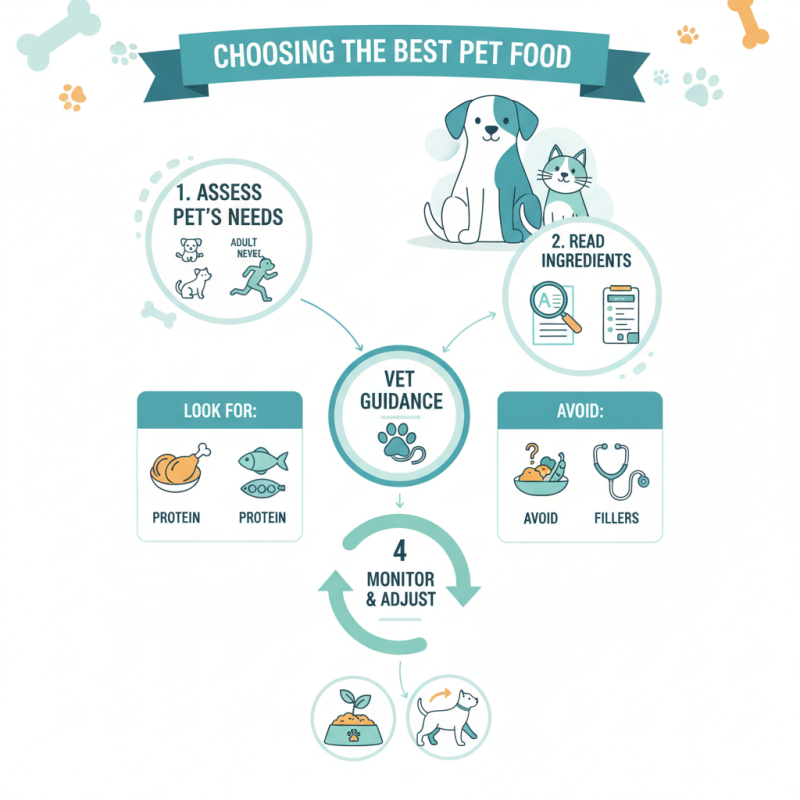
Consider your pet’s specific needs. Age, breed, and activity levels all play a role. Some pets require grain-free diets, while others thrive on high-protein options. Remember, not every popular brand is suitable for your furry friend. You might think you know what's best, but it often requires more research and understanding.
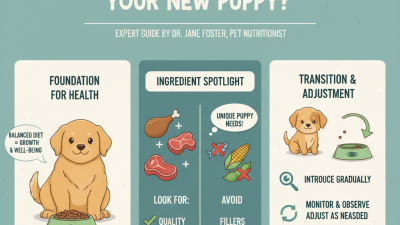
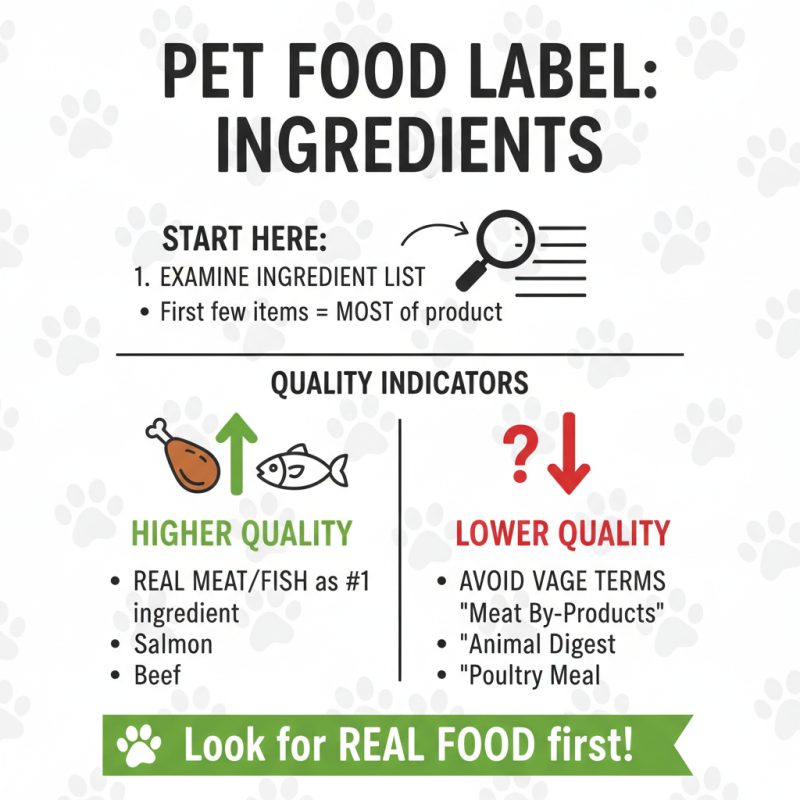
Pay attention to ingredient labels. Look for quality protein sources and avoid fillers. It's easy to overlook this step, yet it can have a lasting impact on your pet's health. Ask your veterinarian for guidance. Be open to adjusting your choices as your pet ages or changes. What worked before may not hold true now. Always prioritize their unique needs when selecting pet food.
Understanding Your Pet's Nutritional Needs
Understanding your pet's nutritional needs is crucial for their overall health. Dogs and cats have different dietary requirements. For example, dogs are omnivores, while cats are obligate carnivores. This means cats need meat more than dogs do. However, many pet owners overlook these differences.
When choosing pet food, consider age, size, and activity level. Puppies and kittens need different nutrients compared to adults. Active pets might require more protein. Some common pet food mistakes include choosing based on price or brand reputation rather than nutritional value. This can lead to health issues down the line.
It's important to read ingredient labels carefully. Look for whole ingredients like meat and vegetables. Avoid foods with artificial additives. Some pets have specific allergies or intolerances that require careful attention. Regularly consulting with a veterinarian can help ensure your pet's diet meets their needs. Although it can be overwhelming, thoughtful consideration of your pet's dietary needs can lead to happier, healthier lives.
How to Choose the Best Pet Food for Your Dog or Cat? - Understanding Your Pet's Nutritional Needs
| Nutritional Component |
Recommended Percentage for Dogs |
Recommended Percentage for Cats |
Sources |
| Protein |
20-30% |
30-40% |
Meat, Fish, Eggs |
| Fat |
8-15% |
15-20% |
Animal Fats, Oils |
| Carbohydrates |
30-60% |
None required, but can be included |
Grains, Vegetables |
| Fiber |
2-5% |
<1% |
Vegetables, Beet Pulp |
| Vitamins & Minerals |
Varies by need |
Varies by need |
Fruits, Supplements |
Comparing Different Types of Pet Food: Dry, Wet, and Raw
When choosing pet food, it’s essential to compare the main types: dry, wet, and raw. Dry food, also known as kibble, is convenient and easy to store. It often helps with dental health, but it may lack moisture. This can be a concern if your pet doesn't drink enough water. Some pets may find dry food less palatable.
On the other hand, wet food offers high moisture content, which can benefit hydration. It often features richer flavors, attracting fussy eaters. However, it usually has a shorter shelf life once opened and can be messier. It's easy to overlook that wet food may be more calorically dense, leading to overeating.
Raw food diets have gained popularity, advocating for a more natural intake. They contain whole meats, bones, and organs. While proponents argue it's healthier, handling raw food requires diligence to prevent contamination. The debate over its nutritional balance is ongoing. Choosing the best type involves considering your pet’s lifestyle, preferences, and any dietary restrictions they may have.
Recognizing Your Pet's Dietary Restrictions and Allergies
Recognizing your pet's dietary restrictions and allergies is vital for their health. Pet food allergies can manifest in various ways, including skin irritations and digestive discomfort. Recent studies show that approximately 10% of dogs and 15% of cats suffer from food allergies. Common culprits include beef, dairy, and wheat. Understanding these allergies can guide you in selecting the correct diet.
When choosing pet food, observe your pet’s reactions. Changes in their coat or behavior may indicate an issue. It can be hard to pinpoint the exact cause. Sometimes, food trials are necessary. A study by the American Journal of Veterinary Research highlighted that feeding a hypoallergenic diet led to symptom improvement in over 75% of pets.
Additionally, some pets may have specific dietary needs. Senior pets might require lower protein levels, while active pets need higher calories. Not all pet foods cater to these unique needs. It’s essential to read labels carefully and consult with a veterinarian. Ignoring dietary restrictions can result in long-term health issues, affecting your pet's quality of life. Each pet is unique, and what works for one may not work for another.
Pet Food Nutritional Composition
Consulting Veterinary Advice for Tailored Nutrition Plans
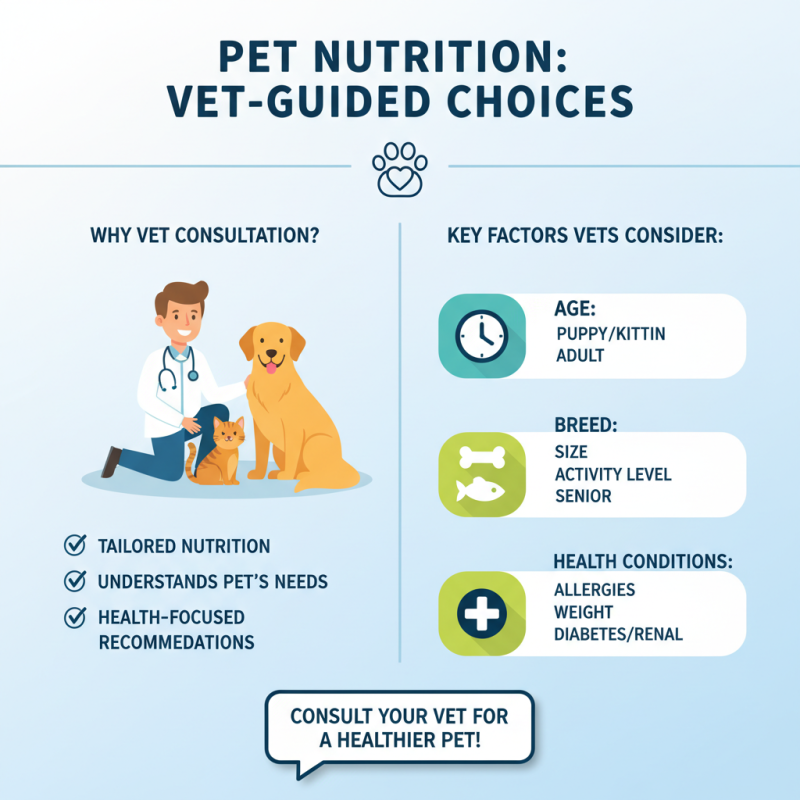
Choosing the right pet food is crucial for your dog or cat’s health. Consulting with a veterinarian can provide insights into tailored nutrition plans. Your vet understands the specific needs of your pet. They consider age, breed, and health conditions when recommending food.
Tips: Always bring a list of your pet’s habits and preferences to the vet. It helps in creating the best diet plan. Ask about food allergies or ingredients to avoid. Your vet might suggest a gradual transition between foods. This reduces digestive issues.
Remember, not every food marketed as "premium" is truly beneficial. Many products claim to be healthy but may lack essential nutrients. Reflect on your pet's response to dietary changes. Do they have more energy, or are they lethargic? Adjust accordingly. Regular check-ups can help in reassessing their nutritional needs, ensuring they thrive.