2026 How to Choose the Best Dog Food Samples for Your Pet's Needs?
Choosing the right dog food is crucial for your furry friend. With so many options available, it can be overwhelming. Dog food samples are a practical way to test various brands and formulations. Understanding your pet's specific needs is key.
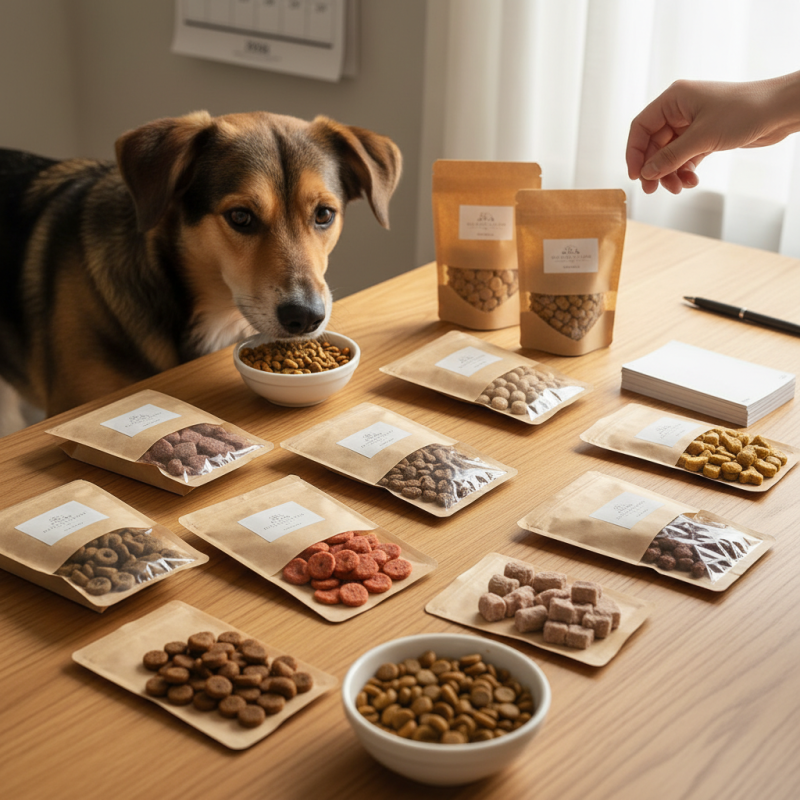
Consider your dog's age, size, and health. Puppies have different requirements than older dogs. A small breed may need a different diet than a large breed. Dog food samples allow you to see what your pet enjoys before committing to a full bag. It can also reveal any food sensitivities.
Not all samples will work for every dog. Some pets may prefer certain textures or flavors. Offer a variety of samples and watch their reactions. It helps in making informed choices. Remember, it's a trial and error process. Patience is part of finding the ideal diet for your beloved pet.
Understanding Your Dog's Nutritional Requirements
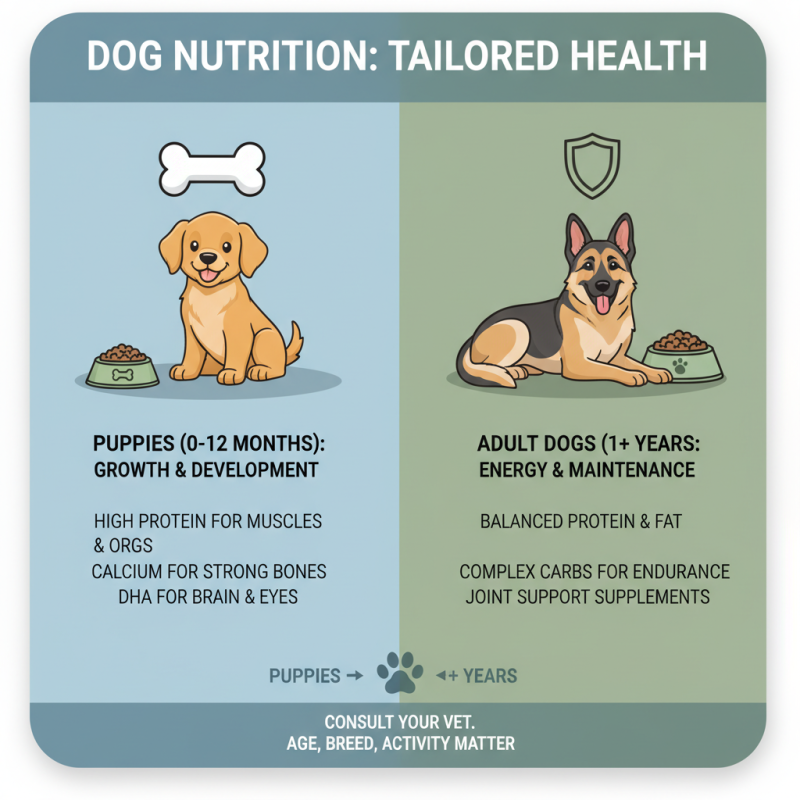
Understanding your dog's nutritional requirements is crucial for their health. Each dog is unique, with specific needs based on age, breed, and activity level. Puppies require different nutrients compared to older dogs. They need proteins for growth and development. Adult dogs, on the other hand, focus on maintaining energy and overall health.
Keep an eye on common dietary requirements. Many dogs benefit from a balanced ratio of proteins, fats, and carbohydrates. Essential vitamins and minerals play important roles too. Some dogs might have food sensitivities. Others may need a high-fiber diet for better digestion. Monitor how your dog reacts to different foods. Make adjustments when necessary.
Don't overlook the importance of hydration. Fresh water should always be accessible. Remember that treats also contribute to daily intake. If you give too many, it might lead to an unbalanced diet. Regular veterinary check-ups will help assess your dog's nutritional needs over time. Adjusting their diet isn't just about changing brands. It can involve switching ingredients or observing their overall health. Pay attention to their energy levels and coat condition as indicators of their dietary well-being.
Types of Dog Food and Their Benefits
When selecting dog food, understanding different types is crucial.
Dry kibble, known for its convenience, benefits dental health. It helps reduce plaque and keeps teeth clean.
Wet food is often more palatable. It provides hydration and is easier for some dogs to digest.
Grain-free options suit dogs with allergies, but some experts warn against over-relying on them.
Raw diets have gained popularity. Many owners believe they offer a natural alternative.
However, they may carry risks of bacterial contamination.
The Association of American Feed Control Officials emphasizes balance in nutrition. Dogs need proteins, fats, vitamins, and minerals.
A single type of food may not meet all these needs.
Tips: Always check for AAFCO approval on packages. That ensures the food meets industry standards.
Experimenting with short trials of different diets can reveal what your dog prefers. Monitor their health and behavior closely.
What works for one dog may not work for another. Consider your dog’s unique needs and consult with a veterinarian.
How to Read Dog Food Labels Effectively
When choosing the best dog food, understanding how to read labels is crucial. Ingredients are listed by weight. The first few should be high-quality protein sources. For instance, meat or meat meal should appear before grains. This tells you a lot about the nutritional value. Look for whole foods like chicken or beef. Avoid vague terms like "meat by-products." They can be lower in quality.
Tips: Check for AAFCO statements. This ensures the food meets industry standards. These guidelines exist for a reason. A diet lacking in key nutrients may harm your pet's health.
Also, notice the guaranteed analysis. This part of the label shows protein and fat content. Some foods might promise a lot of protein but lack essential fatty acids. Balance is key. Dogs need a mix of nutrients for overall well-being. A 2021 report indicated that over 50% of pet owners don't read labels carefully. That’s concerning. Your pet's health depends on your choices. Engage with the labels critically to ensure a better diet for your furry friend.
Dog Food Nutritional Components Comparison
Evaluating Ingredients for Quality and Safety
When selecting the best dog food, evaluating ingredients is crucial. Quality ingredients lead to better health. Look for whole food sources like real meat and vegetables. These ingredients provide essential nutrients for your pet.
Avoid vague terms like “meat by-products.” They can mask lower quality components. Instead, assess the first few ingredients. They should specify the source. Aim for natural preservatives rather than artificial ones. This ensures safety and reduces health risks.
Pay attention to your dog's specific needs as well. Some pets may have allergies or sensitivities. Grain-free options might suit some dogs. Others thrive on balanced grain diets. Trial and error may be necessary to find the best fit. Don't shy away from consulting a vet for guidance. Regular check-ups can also reveal any dietary concerns over time.
2026 How to Choose the Best Dog Food Samples for Your Pet's Needs?
| Ingredient |
Quality Rating (1-5) |
Nutritional Benefit |
Safety Concerns |
| Chicken |
5 |
High-quality protein source |
None |
| Brown Rice |
4 |
Good carbohydrate source |
None |
| Corn |
2 |
Filler, less nutritional value |
Possible allergens |
| Fish Meal |
5 |
Omega fatty acids |
None |
| Peas |
4 |
Plant-based protein |
None |
Transitioning Your Dog to a New Food Seamlessly
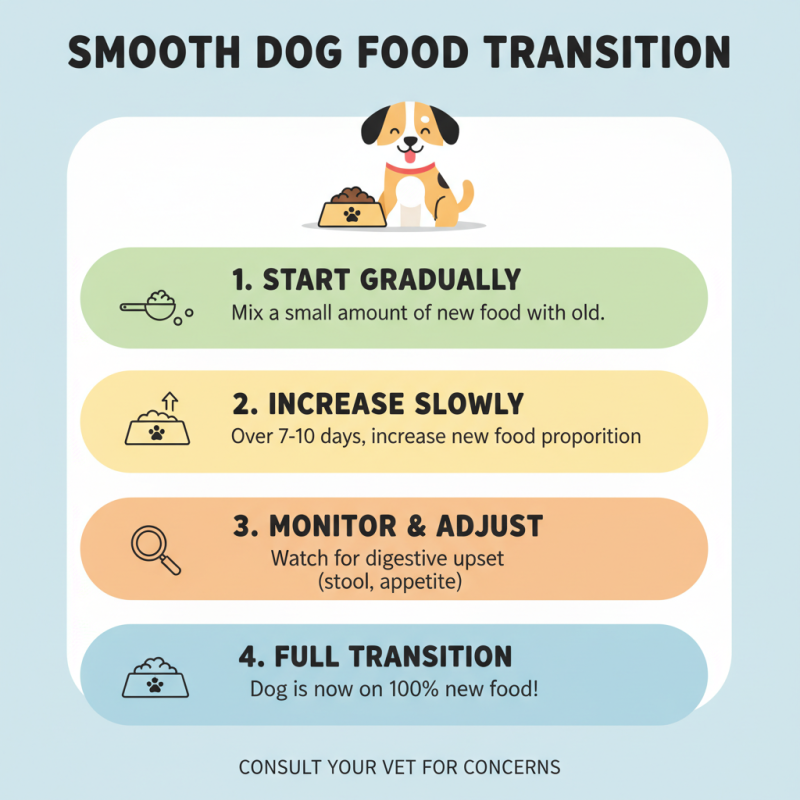
Transitioning your dog to a new food can be a challenging experience. Dogs can be picky eaters. A sudden change may lead to digestive issues. Taking gradual steps is key to a smooth transition.
Start by mixing the new food with the old one. Use a small ratio of new food to old food in the beginning. For example, try a 25/75 mix. This allows your dog's stomach to adjust. Over the week, slowly increase the new food's proportion. Aim for a 50/50 mix by the fourth or fifth day. Observe your dog’s reaction, as some may be more sensitive than others.
Tips: Watch for signs of discomfort. If your dog shows signs of vomiting or diarrhea, slow down the transition. Sometimes the ingredients or texture can affect their acceptance.
You can also warm the food slightly. This can enhance the aroma, making it more appealing. Adding a small amount of no-salt broth could help. Just ensure that all new ingredients are safe for dogs. Keep mealtime stress-free and positive. Offer praise or a gentle pet after meals to create a better association with the new food.