How to Choose the Best High Protein Dog Food for Your Pet?
Choosing the right high protein dog food can be challenging for pet owners. With so many options available, it’s essential to understand what your dog truly needs. Each dog has unique nutritional requirements based on factors like age, breed, and activity level.
High protein dog food is often recommended for active dogs or those requiring weight management. However, not all high protein options are created equal. Some formulas may contain artificial ingredients or fillers, which can be detrimental to a dog's health. It's crucial to examine the ingredient list closely.
While considering high protein dog food, reflect on your dog's specific needs. Consult with a veterinarian if unsure about dietary choices. Remember, a high protein diet can be beneficial but should align with your dog's lifestyle. Balancing protein intake and other nutrients will lead to better overall health.
Understanding the Importance of High Protein in Dog Nutrition
High protein plays a crucial role in dog nutrition. It helps build and maintain healthy muscles. A dog's diet should contain around 18-25% protein. Puppies and active dogs may need even more. The Association of American Feed Control Officials (AAFCO) emphasizes protein's importance for growth and energy.
Many pet owners overlook key protein sources. Not all proteins are created equal. Animal-based proteins, like chicken or fish, offer superior amino acids. These nutrients are crucial for your dog’s overall health. According to studies, a diet rich in high-quality protein can improve muscle mass and support energy levels. A study published in the Journal of Animal Science found that protein levels correlate with improved immune function.
Choosing high protein dog food requires careful consideration. Some products may claim to be high in protein but use low-quality sources. Ingredients like meat meals often have more protein than whole meats. Understanding where the protein comes from is essential. Look for clear labels that specify the types and sources of protein used. This ensures you’re providing the best nutrition for your furry friend.
How to Choose the Best High Protein Dog Food for Your Pet?
| Nutritional Component |
Recommended Level (%) |
Benefits |
| Crude Protein |
20-30% |
Promotes muscle growth and maintenance |
| Animal-based Protein |
Min. 50% of total protein |
Improves palatability and digestibility |
| Fiber |
3-5% |
Supports digestive health |
| Fat Content |
8-15% |
Provides energy and healthy skin |
| Omega Fatty Acids |
2% minimum |
Promotes shiny coat and healthy skin |
Identifying Your Dog's Specific Protein Requirements
Identifying your dog's specific protein requirements is crucial for their health. Each dog is unique, with different needs based on age, size, and activity level. Puppies need more protein for growth. Active breeds often require higher protein to sustain energy. Older dogs might need protein for muscle maintenance.
Monitoring your dog's weight and energy is key. A lean dog may need more protein than a chubby one. Watch for signs of excessive fatigue or lethargy; they could indicate an inadequate diet. Consult a veterinarian to assess protein needs accurately. You may need to adjust protein levels as your dog ages.
Consider protein sources in the dog food. Meat, fish, and eggs offer rich amino acids. However, some dogs may have allergies or sensitivities. It is essential to ensure your dog enjoys their meals. Experimenting with different types of protein can provide insights into their preferences and tolerances.
Evaluating Ingredients in High Protein Dog Foods
When choosing high protein dog food, it's crucial to evaluate the ingredients. Look for named meat sources at the top of the ingredient list. This indicates quality protein. Ingredients like chicken, beef, or lamb can provide essential amino acids for your pet. Avoid vague terms like "meat meal". They can hide lower-quality sources.
Tips: Always check for whole grains or vegetables. These can provide additional nutrients and fiber. Ingredients such as sweet potatoes or brown rice can be beneficial. Also, monitor your dog's reactions to new foods. Sometimes, even the best ingredients may not suit your pet's digestive system.
Pay attention to labels that claim to be high in protein. Just because a product states it is high in protein does not mean it is appropriate for all dogs. Some dogs may require moderate protein, depending on their age and activity level. Always consult with a veterinarian if unsure about your dog's dietary needs.
Comparing Different Brands and Formulas of High Protein Dog Food
When comparing different brands of high protein dog food, consider the protein sources. Some foods use real meat, while others include meat meals. Real meat may be preferred, as it's more natural. However, meat meals can provide concentrated protein. Examine the ingredient list closely.
The protein content is important, but quality matters too. Some formulas include fillers or by-products. These might lower the overall protein quality. Look for foods that prioritize high-quality ingredients. You might find that some brands market their protein levels without substantial proof.
Additionally, think about your dog's specific needs. Active dogs may require higher protein levels than those that are more sedentary. Reflect on your dog's age, weight, and health conditions. Each dog's dietary requirements vary. Just because a food claims to be high in protein doesn't mean it's the right choice. Always consult with a vet for tailored advice.
High Protein Dog Food Nutritional Comparison
This chart compares the protein content in different brands of high protein dog food. Choosing the right formula can greatly impact your dog's health and well-being, so it's essential to consider the protein percentage when selecting a brand.
Reading Labels and Nutritional Guidelines for Optimal Selection
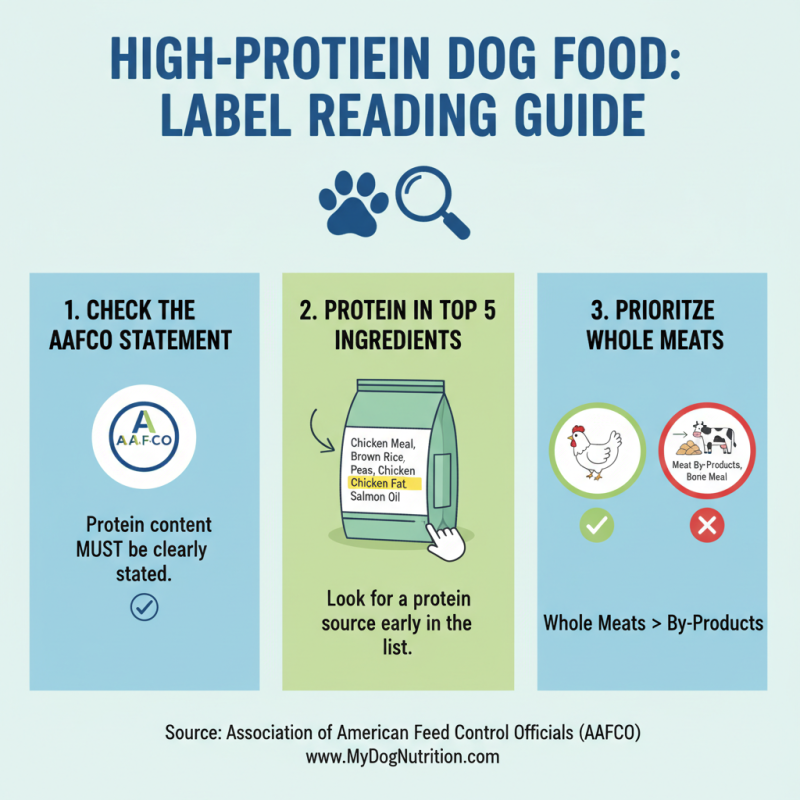
When selecting high protein dog food, reading labels is crucial. According to the Association of American Feed Control Officials, protein content must be clearly stated. Look for a protein source listed among the first five ingredients. Whole meats like chicken or beef should be prioritized over meat by-products.
Understanding nutritional guidelines is important. The average active dog needs about 18% to 25% protein in its diet, according to the National Research Council. However, some breeds with high energy levels may require more. Always consider your dog's age, activity level, and health status when evaluating nutritional needs.
Many pet owners overlook the importance of grain-free options. However, some dogs thrive on a diet that includes grains for fiber and nutrients. Look for food with a balanced nutrient profile that matches your dog's specific needs. It's a complex puzzle, and sometimes the best choice is not immediately clear. Reading and understanding these labels requires active engagement.