How to Choose the Best Dry Chewy Dog Food for Your Pet?
Choosing the right dry chewy dog food for your pet is crucial. Each dog has unique dietary needs based on age, size, and health. According to Dr. Lisa Greene, a leading pet nutritionist, "The right food can make a significant difference in your dog’s health and happiness."
Selecting dry chewy dog food should involve careful consideration. Look for high-quality ingredients, preferably from trusted brands. Check for essential nutrients like protein and fiber. Sometimes, it can be hard to decide. Not every dog responds the same to the same food.
Research suggests that a dog's behavior and energy levels can change with different diets. A food that works well for one dog might not suit another. Pet owners need to observe their pets closely. Making the right choice may not always be straightforward, but it's vital for their overall well-being.
Factors to Consider When Selecting Dry Chewy Dog Food for Your Pet
Choosing the right dry chewy dog food involves several important factors. First, consider your dog's age and size.
Puppies have different nutritional needs than adult dogs. Small breeds may prefer smaller kibble. Large breeds benefit from larger pieces that support their jaw structure.
Texture is also crucial. Chewy foods can promote dental health as they help reduce plaque.
Next, think about dietary restrictions. Some dogs are sensitive to certain ingredients. Look for foods that are grain-free or hypoallergenic if necessary. It's also essential to read labels. Ingredients should be listed clearly. Avoid foods with excessive fillers or artificial additives. Seek out those with high-quality protein sources.
Don’t forget about your dog’s taste preferences. Not all dogs will love the same flavors. Try different options to find what they enjoy.
Monitor their response to new food. Unexpected gastrointestinal issues may arise, so gradual changes are wise. Remember, your pet's health is paramount, and finding the right food may take time and adjustments.
Nutritional Requirements: Understanding Your Dog's Dietary Needs
When selecting dry chewy dog food, understanding your dog's dietary needs is crucial. Each dog is unique, with specific nutritional requirements that depend on age, weight, and activity level. Puppies need more protein and fat to support growth. Adult dogs require balanced nutrients for maintenance. Senior dogs might need fewer calories but more fiber.
Pay attention to the ingredients listed. Look for whole food sources like meat and vegetables. Avoid fillers and by-products that add little nutritional value. Some dogs may have food sensitivities, requiring you to choose hypoallergenic options. It’s essential to observe how your dog reacts to new foods. Regularly check for health signs, like a shiny coat or shiny eyes.
Reading the feeding guidelines can feel overwhelming. They often complicate things with vague recommendations. Adjustments may be necessary based on your dog's specific needs. Keep a watchful eye on their weight and energy levels. If your dog seems sluggish or gains weight, it’s time to rethink the food choices. Balancing your dog's diet involves observation and adjustments. Sometimes, what works for one dog doesn’t work for another. It’s an ongoing learning process.
Comparison of Nutritional Requirements for Dogs
Evaluating Ingredients: What Makes Quality Dry Chewy Dog Food?
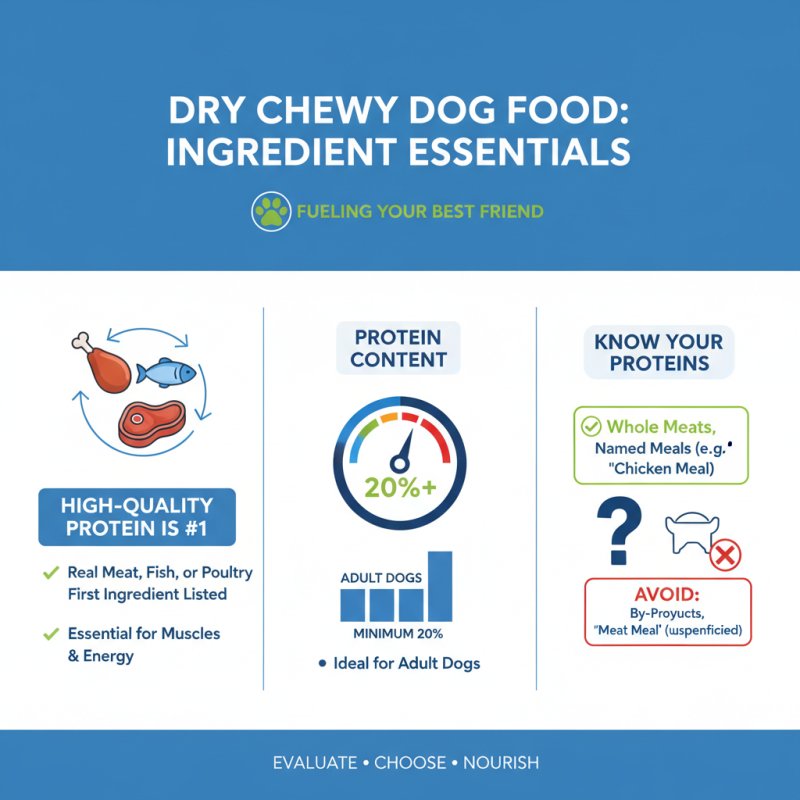
When selecting dry chewy dog food, evaluating ingredients is crucial. A quality formulation should feature high-quality proteins as the primary ingredient. Look for real meat, fish, or poultry listed first. Proteins are vital for muscle development and energy. Industry analysis suggests that a protein content of at least 20% is ideal for adult dogs. However, it’s important to remember that not all proteins are equal. Some may be from by-products, which are less nutritious.
Carbohydrates should be your next focus. Ingredients such as brown rice or sweet potatoes provide essential energy. Avoid foods with excessive fillers like corn or soy. They offer little nutritional value and can lead to weight gain. Keep an eye on fiber content as well; about 4-5% is optimal for digestive health.
Tips: Always check for added vitamins and minerals. They ensure a balanced diet. Look for ingredients like omega fatty acids for skin health. Don’t be swayed by flashy packaging; research is key. Evaluating label claims critically helps in making informed choices.
Comparing Brand Reputation and Recalls in the Dog Food Industry
When choosing dry chewy dog food, brand reputation is vital.
Look for manufacturers with a history of quality. Research recalls; they can indicate problems with safety or ingredients.
Many brands have faced significant recalls in the past.
These events can affect pet health.
Consider how brands communicate about their recalls.
Transparency is key.
Companies that provide clear information show commitment to pet safety. Some brands lack this transparency, which can raise concerns.
Evaluate customer reviews for insights. Many pet owners share their experiences with specific brands, revealing hidden issues.
Not all brands are reliable. Some may not take past recalls seriously.
Watch out for vague information or promises.
It’s crucial to dig deeper before making a choice. Reflect on your priorities: safety, nutrition, or price.
Each choice shapes your pet's health and happiness.
Price vs. Quality: Budgeting for Premium Dog Food Choices
When selecting dry chewy dog food, price and quality often clash. Many pet owners are willing to spend more on premium dog food. A survey by the American Pet Products Association shows that over 60% of dog owners prioritize quality over price. This means that they will invest in higher-quality ingredients, which can promote better health and longevity in pets.
However, premium dog food can be a significant financial commitment. Reports indicate that a high-quality dog food brand can cost up to $100 for a 30-pound bag. For some pet owners, this is a stretch on their budget. Balancing the nutritional needs of pets with budget constraints can be challenging. It raises the question: How can pet owners ensure they are getting the best for their budget without compromising on quality?
Many people might overlook the importance of reading nutrition labels. Ingredients matter, yet they often get lost in price discussions. A cheaper bag may contain fillers and low-quality proteins. Transparency in ingredient sourcing can be as crucial as the price tag. Not all affordable options are poor in quality, but it requires careful evaluation. Finding the right balance between cost and quality may need time and research, but your pet deserves it.
How to Choose the Best Dry Chewy Dog Food for Your Pet?
| Dog Food Type |
Protein Source |
Price (per lb) |
Quality Rating |
Ideal For |
| Grain-Free Dry Food |
Chicken |
$3.50 |
4.5/5 |
Adult Dogs |
| High-Protein Dry Food |
Lamb |
$4.00 |
4.7/5 |
Active Dogs |
| Budget-Friendly Dry Food |
Beef |
$2.00 |
3.5/5 |
General Use |
| Limited Ingredient Dry Food |
Turkey |
$3.80 |
4.6/5 |
Sensitive Stomachs |
| Organic Dry Food |
Salmon |
$5.00 |
4.8/5 |
All Life Stages |