What is the Best Dog Food for Better Health and Vitality?
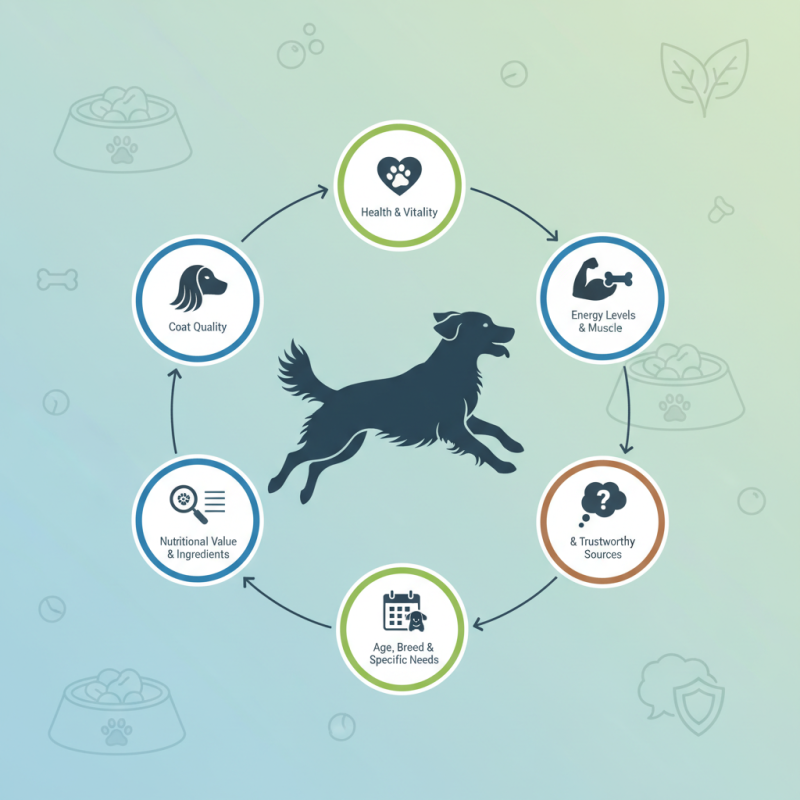
When it comes to our pets, choosing the best dog food plays a crucial role in ensuring their health and vitality. The right nutrition can make a significant difference in their energy levels, coat quality, and overall well-being. For many dog owners, finding better dog food that meets their pet's specific needs can be a daunting task.
Numerous options flood the market, each claiming to provide the best for our furry friends. However, not all dog food brands are created equal. Ingredients, nutritional value, and sourcing practices vary widely. It's vital to discern which options are truly beneficial. This requires research and a willingness to engage with trustworthy sources.
Consider your dog’s unique requirements. Age, breed, and health conditions all influence dietary needs. Investing time in understanding these factors can lead to healthier choices. Sometimes, the most popular brands aren’t the best choices. Reflecting on what your pet really needs is essential for their growth and longevity. Better dog food means better quality of life.
Understanding the Nutritional Needs of Dogs for Optimal Health
Understanding the nutritional needs of dogs is essential for their well-being. Dogs require a balanced diet that includes proteins, fats, carbohydrates, vitamins, and minerals. Proteins are crucial for growth and muscle health. Lean meats and fish provide necessary amino acids. Fats, such as omega-3 and omega-6, support skin health and give energy.
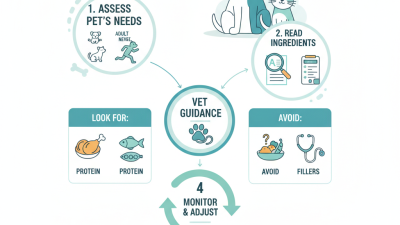
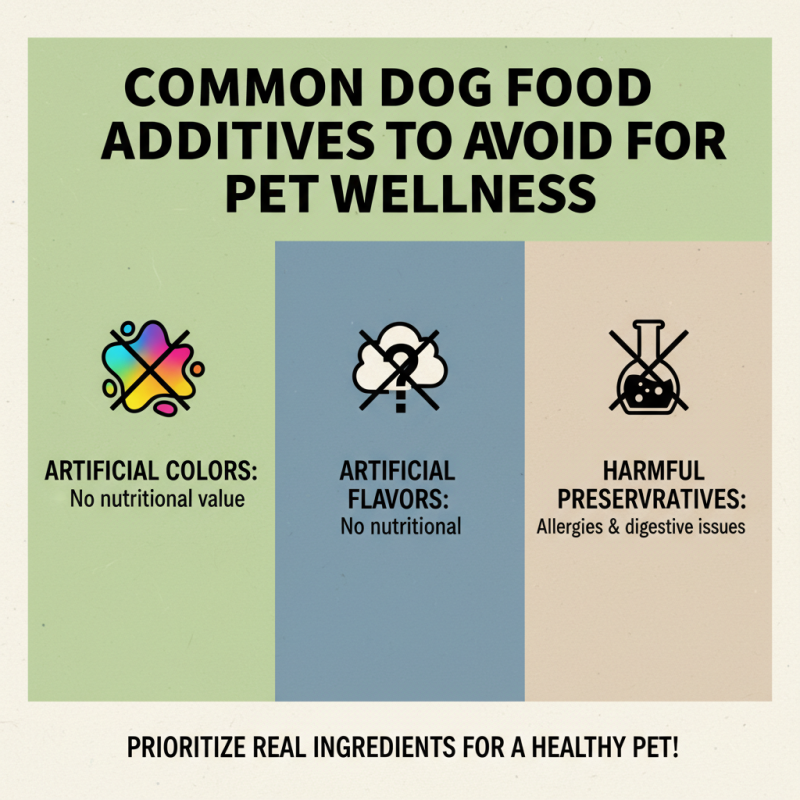
Carbohydrates are often overlooked. They provide energy and aid digestion. Whole grains and vegetables can be beneficial. However, some dogs may have sensitivities. It’s vital to avoid fillers and artificial additives. Consult with a veterinarian for personalized recommendations.
Vitamins and minerals are not just extras. They play a role in immunity and bone health. Include a variety of fruits and vegetables in your dog’s diet. This can offer antioxidants and additional fiber. Always observe your dog’s reactions to new foods. Each dog is unique. What works for one might not be suitable for another. Tailoring their diet can improve health and vitality significantly.
What is the Best Dog Food for Better Health and Vitality?
| Nutritional Component |
Recommended Amount (%) |
Benefits |
| Protein |
20-30% |
Supports muscle development and repair. |
| Fat |
8-15% |
Provides energy and supports skin and coat health. |
| Carbohydrates |
30-50% |
Supplements energy and aids digestion. |
| Fiber |
2-5% |
Promotes digestive health and regularity. |
| Vitamins & Minerals |
Variable |
Supports various bodily functions and overall health. |
Types of Dog Food: Dry, Wet, and Raw Diets Explained
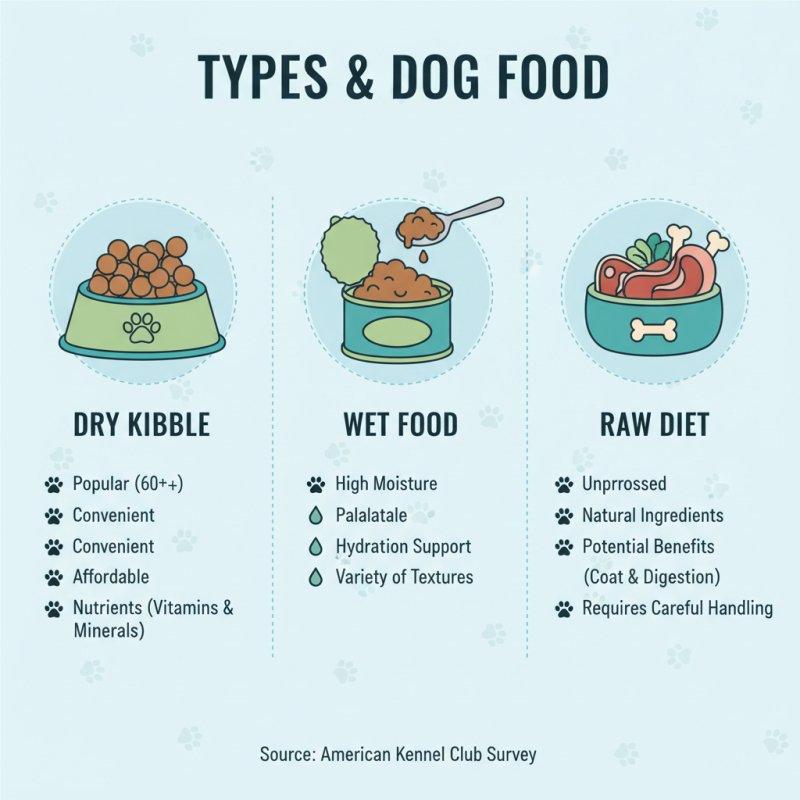
When choosing the best dog food, understanding the types available is crucial. Three primary categories include dry, wet, and raw diets. According to a survey by the American Kennel Club, over 60% of dog owners prefer dry kibble. This option is convenient and often less expensive. Dry food typically contains important nutrients, including vitamins and minerals.
Wet dog food, however, offers a different set of benefits. It generally has higher moisture content. This can be beneficial for dogs that might struggle with hydration. A study published in the Journal of Veterinary Internal Medicine found that dogs eating wet food had improved hydration levels. Yet, wet food can be higher in calories and less convenient for storage.
Raw diets, though less traditional, are gaining traction. These diets often include raw meats, bones, and vegetables. Proponents claim they replicate a dog's natural diet better than processed foods. However, raw diets come with risks, such as bacterial contamination. The FDA warns that raw food can pose health risks to pets and humans. Owners should consult with veterinarians before making significant dietary changes.
Key Ingredients to Look for in High-Quality Dog Food
When choosing dog food, the ingredient list is crucial. High-quality dog food should be rich in protein. Look for named meat sources like chicken or beef. These proteins are essential for muscle development and overall health. According to the Association of American Feed Control Officials (AAFCO), a dog’s diet should contain at least 18% protein. This helps maintain energy and vitality.
Carbohydrates are also important. They provide energy and support digestive health. Whole grains like brown rice or oats are great sources. Additionally, omega fatty acids improve skin and coat quality. The American Kennel Club emphasizes their role in reducing inflammation in joints. Look for ingredients such as fish oil, flaxseed, or chia seeds, which are rich in these essential fats.
Vitamins and minerals should not be overlooked. Antioxidants from fruits and vegetables boost the immune system. Ingredients like blueberries and sweet potatoes can enhance overall health. For proper development, calcium and phosphorus are vital for bones. The World Small Animal Veterinary Association recommends a balanced blend of nutrients for optimal wellness. These ingredients together contribute to a dog's vitality and longevity. Select dog food that combines these elements for better health outcomes.
Tailoring Dog Food Choices to Your Pet's Age, Breed, and Health Conditions
When choosing the right dog food, consider your pet's age, breed, and specific health conditions. Puppies require a diet that supports their rapid growth and energy needs. Choose foods rich in protein and healthy fats. For adult dogs, a balanced diet maintains their health and supports daily activity levels. Senior dogs benefit from foods with joint support and lower calorie content to prevent obesity.
Tips: Look for ingredients like real meat and whole grains. Check the nutritional information to ensure it matches your dog's life stage. Observing your dog's energy and coat condition can help in selecting the right food.
Specific breeds may have unique dietary requirements. Large breeds can have heightened risks of joint issues. Smaller breeds may need more calorie-dense options to meet their metabolic rates. Always consult with a veterinarian about your dog’s health conditions. A change in diet should be gradual. This helps prevent digestive upset. Regularly assess how your dog responds to their food. This might lead to important adjustments.
Dog Food Quality vs. Health Benefits